1. Safety first
The team confirms the vehicle is released, then suits up and secures the area around it.
Laurel, MT · Yellowstone County
Fluids soak into foam, seams and carpet far past what the eye sees. Call (877) 812-4220 in Laurel for hazmat car cleaning that checks beneath the seats, removes what cannot be saved and disinfects the rest.
If anyone is in danger, call 911 first. For a suicide crisis, call or text 988.
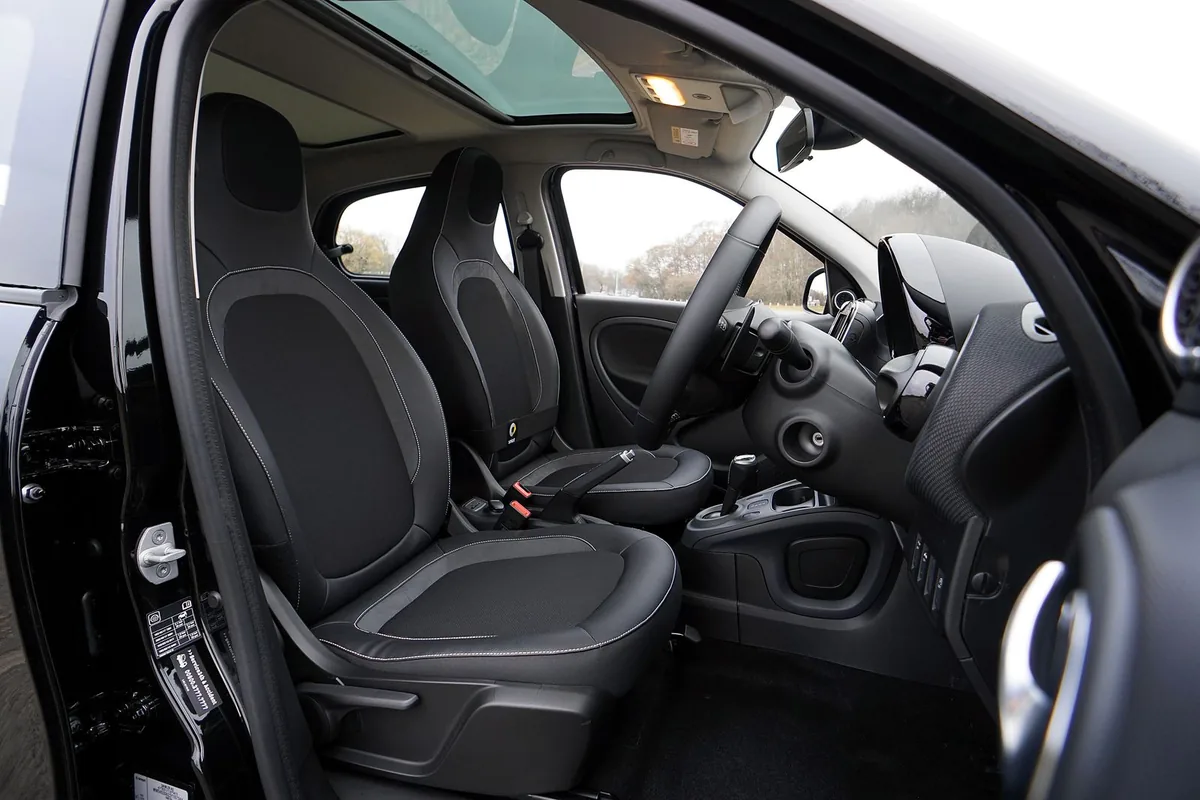
Vehicle biohazard remediation means returning a contaminated vehicle to a safe, usable condition. It includes containment, removal of soaked parts, disinfection, odor treatment and waste disposal.
Cars, trucks, vans and buses in Laurel can get biohazard car cleaning when you call Laurel Biohazard Cleanup Help. Cleaners follow the OSHA Bloodborne Pathogens Standard, wear PPE and use EPA-registered disinfectants.
Dry air in Laurel can bake fluids into seats and carpet, so the smell may persist even when the vehicle looks clean. If you were exposed to blood in a vehicle, Billings Clinic Hospital in Billings is the closest emergency room to ask about testing and next steps.
A typical vehicle biohazard cleanup job includes:
The team confirms the vehicle is released, then suits up and secures the area around it.
Technicians wear full protective equipment and limit access to stop cross-contamination.
Fluids are lifted from every surface they reached. Soaked items are removed and the remaining surfaces are sanitized.
Waste is packed for regulated disposal. A final visual check makes sure nothing was missed.
Most vehicle biohazard cleanup jobs in Laurel, MT cost between $500 and $5,000, based on published cost guides.
What the fluid soaked into decides how much comes out. Seat foam, carpet and headliner that absorbed fluid usually have to be removed, which adds labor and parts.
| Type of job | Typical range |
|---|---|
| Vehicle biohazard cleanup | $500 - $5,000 |
These ranges come from published cost guides (BioCleaners Directory) and are not a quote for Laurel. Price drivers include type of interior materials, how serious the event was, time since the event, air system decontamination. For a real number, call (877) 812-4220.
Cleaners follow rules designed to protect workers and the public from bloodborne pathogens, including the OSHA Bloodborne Pathogens Standard, 29 CFR 1910.1030. They wear PPE and use EPA-registered disinfectants.
Many auto insurance policies cover some losses that are not collisions, and some policies exclude cleanup. Only your policy and your insurer can say. Call before cleanup starts, take photos and keep every receipt.
A small spill on a hard surface can be cleaned with gloves, eye protection and an EPA-registered disinfectant. Do not do it with an open cut, and do not use the car until fluids that soaked into fabric are removed. For larger spills, call a cleanup team.
Yes. Waste is lifted with protection, soaked materials are removed and surfaces are disinfected. Urine travels deep into foam, so seats may need to be taken out or replaced if the smell remains.
People use both phrases. Most of the time they mean decontaminating a vehicle that holds blood or other body fluids. Chemical spills are a separate hazard, and a cleanup team can say whether it can handle a specific one.
It refers to a vehicle damaged by a biohazard, such as blood or body fluids, or by a chemical spill. Both kinds of contamination call for protective gear and specialized cleaning. A cleanup team can tell which applies after seeing the vehicle.
Discreet biohazard car cleaning for drivers and businesses.
Call (877) 812-4220